Founders & product leaders
Compare MERN vs Laravel vs Flutter before you commit runway—playbooks spell out trade-offs and delivery shape.
NASBIX TECHNOLOGIES
Modern platforms our engineers ship on—React, Node, Flutter, Java, PHP, AI/ML, MEAN, and MERN—chosen for product fit and operability, not trend chasing, with named architects from our Karachi delivery center.
Wrong stack choices show up as rewrite pressure, slow hiring, and ops pain long after launch. NASBIX starts from constraints: team skills, compliance, traffic shape, and time-to-market—then maps you to playbooks with scope, delivery steps, and cross-links you can compare side by side.
Each technology page mirrors the same premium template as the wider catalog: who it is for, six capability areas, production discipline, and engagement models. Route through web or mobile hubs when the work is platform-specific; open solutions for security, blockchain, and innovation stacks; align delivery with how we ship and extend squads via dedicated hiring.

Greenfield products, platform migrations, and augmentations—same bar for maintainability and security.
Compare MERN vs Laravel vs Flutter before you commit runway—playbooks spell out trade-offs and delivery shape.
Named architects for spikes, API design, and migration paths—aligned to your existing repos and release train.
Written capabilities per stack for RFPs and vendor reviews—linked to secure SDLC and support options.
Each card opens the related service page—scope, approach, and how we deliver on that stack.
 React
Component-driven web apps and design systems.
 Node.js
APIs and real-time services with strong observability.
 Flutter
Cross-platform mobile with consistent UI craft.
 Java
Enterprise backends and long-lived business systems.
 PHP / Laravel
Business platforms and content-driven products.
 AI / ML
Assistants, models, and decision intelligence.
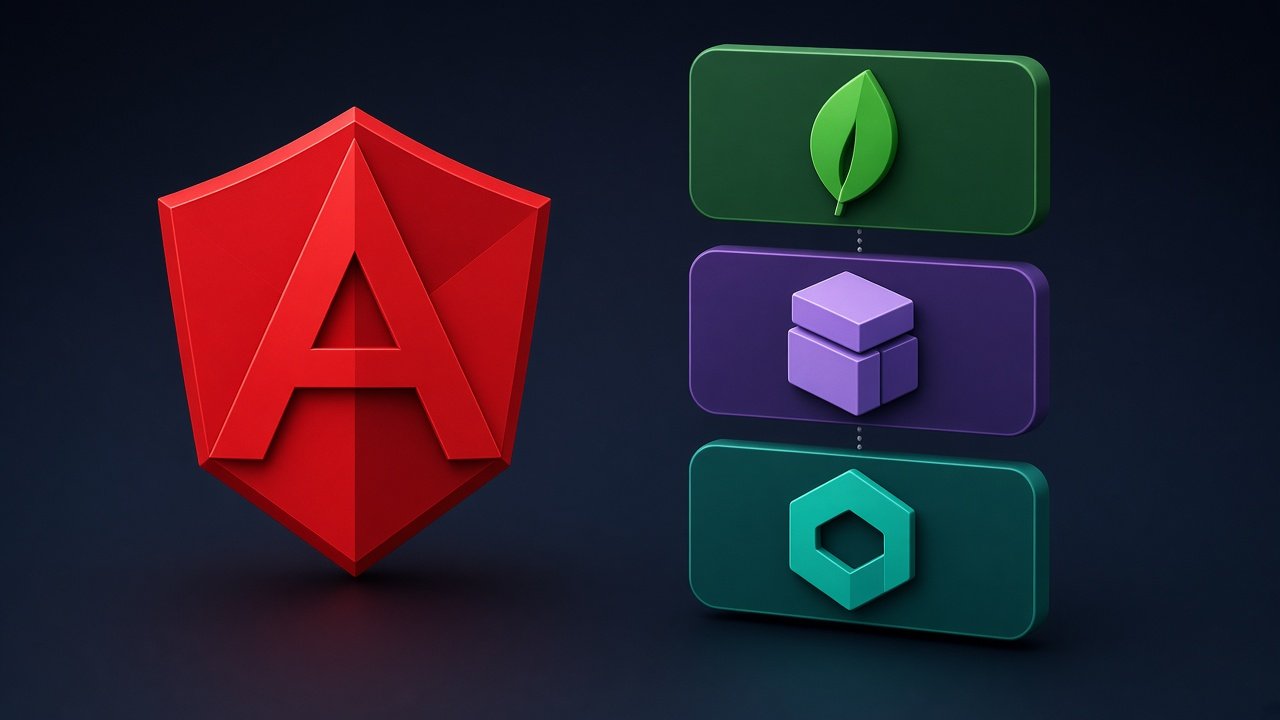 MEAN
MongoDB, Express, Angular, and Node full stacks.
 MERN
MongoDB, Express, React, and Node product builds.
Same six-tile shape on stack pages—so you know what delivery includes before you sign.
Constraints, team skills, and integration map—recommendations you can defend to leadership and auditors.
Service boundaries, auth, caching, and contracts—designed for the traffic and compliance you actually have.
Sprint delivery with demos, PR review, and Definition of Done that matches risk—not checkbox QA.
Core Web Vitals, query tuning, and load paths for web and API surfaces before campaign or launch spikes.
When intelligence belongs in the product—RAG, models, and pipelines scoped to your data maturity.
Version upgrades, framework moves, and security remediation without stopping the release train.
Every NASBIX engagement treats the stack as something ops and security must live with: dependency hygiene, secrets handling, logging, and release gates before production traffic—not a post-launch fire drill.

Mobile native, additional JavaScript frameworks, and CMS platforms—each with a dedicated playbook.
A path that works for quick comparisons and formal architecture reviews.
MVPs, migrations, or module builds with milestones and acceptance criteria tied to your chosen stack.
Embedded squads on React, Node, Flutter, Java, or PHP—aligned to your backlog and release calendar.
Architecture review or spike before you commit—honest fit call, not a sales deck.
Post-launch SLAs—monitoring, patches, upgrades, and optional enhancement hours on production systems.
Pair your platform choice with practice hubs and assurance playbooks.